BESTSELLERS
 NEW ARRIVALS
 SALE
SALE


 Colors


 Materials


 Brands


 Themes


 BESTSELLERS
 NEW ARRIVALS


 BESTSELLER
 NEW ARRIVALS
 DIRECTLY AVAILABLE
 SALE
SALE


 BESTSELLERS
 NEW ARRIVALS


 Little Greene verf
 Colours of England verfcollectie
 Colour Scales verfcollectie
 Sweet Treats verfcollectie
 RAL kleuren verf


Inspiratie
Biophilic design: what is it and how do you apply it with wallpaper?
Interiors are allowed to feel softer, warmer and more natural again.
We increasingly choose natural materials, organic shapes and spaces that bring calm instead of adding stimuli. Within this development, this interior trend plays a major role: biophilic design.
What exactly is biophilic design? And how do you apply it without transforming your interior into a tropical indoor garden?
Good news: a biophilic interior isn't about more decoration, but rather about more conscious choices. From natural materials and textures to wallpaper with a calm texture or botanical character.
What is biophilic design?
Biophilic design is all about the connection between humans and nature. The word biophilic comes from the Greek words bio (life) and philia (love or attraction).
The idea behind it is simple: people feel better in an environment that contains natural elements. Not just visually, but also in material experience, light, texture and atmosphere.
You recognize a biophilic interior by:
- natural colors
- organic shapes
- materials with texture
- plenty of daylight
- calm and balance
- visible or tangible connection with nature
A space doesn't literally need to be full of plants. In fact, subtle elements often create the strongest impact.
How do you apply biophilic design at home?
1. Choose natural colors
Colors from nature immediately bring more calm to an interior. Think of: sand tones, warm beige colors, moss green, terracotta, clay colors and soft earth tones.
These colors form a calm base that easily combines with natural materials.
2. Use organic shapes
In nature, almost no perfectly straight lines exist. Organic shapes therefore often feel more pleasant and softer.
Think for example of: round mirrors, rounded sofas, asymmetrical accessories, flowing shapes in furniture.
3. Work with natural materials
Materials play a major role within biophilic design.
Popular material choices are: wood, linen, rattan, wool, natural stone and woven materials.
These materials provide warmth and make a space less flat.
4. Essential: Don't forget texture
Texture is perhaps one of the most underestimated components of an interior. Nature is never completely uniform or perfectly smooth. Small irregularities actually create character and depth. And this is precisely where wallpaper can make a huge contribution.

Why wallpaper fits perfectly within biophilic design
Wallpaper is often chosen because of color or pattern, but within a biophilic interior, the material experience plays an especially important role.
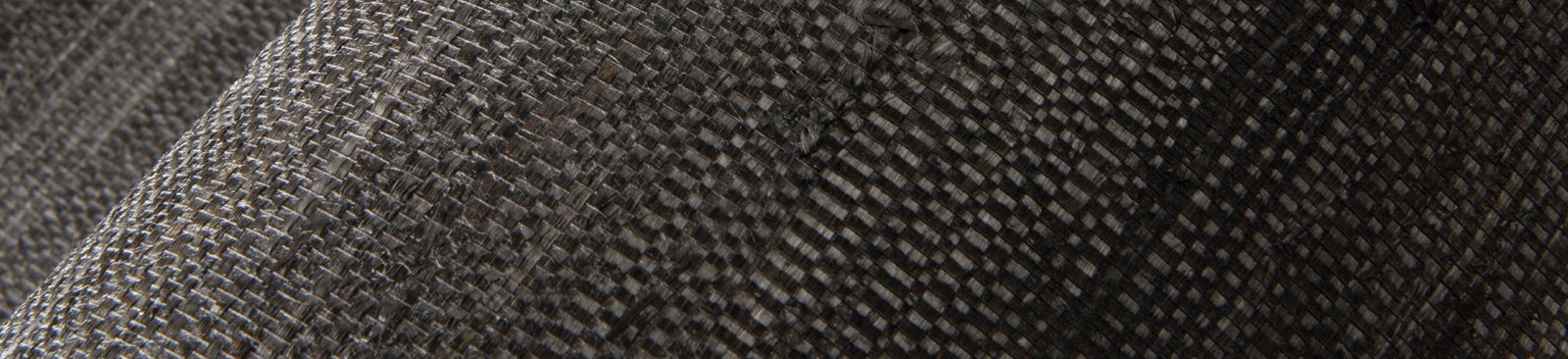
A subtle linen texture or a woven wall covering immediately brings more warmth and depth to a space.
Wallpaper qualities that align well with biophilic design:
- Linen texture
Linen gives a soft, calm appearance and adds subtle movement to a wall.Fits beautifully in: living rooms, bedrooms, home offices. The calmer living spaces. - Sisal
Sisal is made from plant fibers and has a warm and natural character. Sisal provides: more depth, an earthy appearance and an organic feeling. - Grass cloth and raffia
Grass cloth and raffia bring a natural imperfection. Small color variations and texture differences ensure that every wall becomes unique. - Woven textile textures
Textile wallpaper adds softness to a space and often also provides more pleasant acoustics.
The most biophilic choice is therefore not automatically a wall full of leaves. Sometimes a calm linen texture actually feels much more natural.
Biophilic design and sustainability are a logical combination
When an interior revolves around connection with nature, a second question automatically arises: how is a product made?
Within biophilic design, we therefore look not only at appearance, but also at the story behind materials and production.
Within our range, clear differences are visible between brands that strongly focus on sustainability and brands where material experience is central.
Masureel is a strong example of a brand where appearance and sustainability come together. The brand works with responsibly produced materials, water-based inks and solutions with a lower environmental impact.
Casamance aligns well with biophilic design thanks to natural textures such as linen, woven textures and sisal-like qualities.
Little Greene
Little Greene combines a sustainable production process with refined botanical patterns and timeless designs.
Pierre Frey
Pierre Frey focuses strongly on craftsmanship, quality and natural material experience.
Élitis, CMO Paris and Thibaut
These brands align strongly with the atmosphere of biophilic design thanks to rich textures, natural structures and tactile materials.
"Biophilic design isn't about more nature, but about better choices".
Perhaps that's exactly why this interior style appeals to so many people.
It's not about as many plants as possible or a striking botanical print. It's about spaces that feel more pleasant, provide calm and create a natural balance.
Sometimes that's in a large amount of daylight and sometimes it starts with covering a wall in a rich material. The wall gets a soft linen texture, a woven sisal or a subtle natural texture.
Nature doesn't always need to be literally visibly present. It's precisely the combination of materials, textures and calm colors that creates an interior that feels natural and stays balanced.
At Selected Wallpapers, we therefore don't just help you choose one wallpaper collection, but rather help you compose complete material combinations within biophilic design. Think of combinations of linen textures, sisal, textile wallpaper and paint colors with a natural matte finish that reinforce each other in one total concept.
Shop the look