

 BESTSELLERS
 NEW ARRIVALS
 SALE
SALE


 Colors


 Materials


 Brands


 Themes


 BESTSELLERS
 NEW ARRIVALS


 BESTSELLERS
 NEW ARRIVALS
 DIRECTLY AVAILABLE
 SALE
SALE


 BESTSELLERS
 NEW ARRIVALS


 Little Greene verf
 Colours of England verfcollectie
 Colour Scales verfcollectie
 Sweet Treats verfcollectie
 RAL kleuren verf


Inspiratie
Tactile Walls: why you want to touch some walls
An interior isn't just about what you see, but also about what you feel. Materials play a surprisingly important role in this. Texture is playing an increasingly larger role. In this blog we show you why Tactile Walls is one of the most inspiring interior trends of the moment and how you can apply this style in your own interior.
You walk into a room and immediately notice that it feels pleasant. Not because striking colours have been used or because the furniture is special, but because the materials radiate warmth. The light plays subtly across the walls, structures create depth and you almost automatically feel the urge to run your hand along the wall.
That feeling is no coincidence...
It even has a name: Tactile Walls.
Literally translated this means 'touchable walls'. An interior trend where not only the appearance of a wall takes centre stage, but especially the texture, the relief and the material experience. Walls are allowed to have character again. They don't need to be loud or striking, but they should invite you to come closer and experience them.
That's precisely where the power of this trend lies. Tactile Walls isn't just about what you see, but especially about how a space feels.

Why do we crave texture in our interiors again?
Interior trends rarely emerge out of nowhere. They're often a reaction to the way we live, inhabit and experience our surroundings.
After years of minimalism, clean lines and smoothly plastered walls, there's a growing need for more warmth and character at home. Not by adding more colour or more striking patterns, but rather by choosing materials and rich wall textures that give a space more depth and layering.
Tactile Walls connects seamlessly with this.
Within this trend, the wall no longer stays in the background, but gets its own role in the interior. Not by demanding attention, but through subtle structures, natural materials and refined finishes that change with the light and give the space more experience.
That's exactly what makes Tactile Walls so special. The trend isn't about one specific living style or a fixed colour palette. Whether you choose Modern Heritage, Japandi, hotel chic or a contemporary minimalist interior: texture brings balance, warmth and character without making a space look busier.
That's why we increasingly see wall coverings that do more than just finish a wall. Rich textile structures, natural fibres, mineral finishes and subtle reliefs add an extra layer to the interior. Not only visually, but also in the way a space is experienced.
Perhaps that's the biggest change. Where for years we mainly looked at walls, we're now allowed to experience them again!
Selected Insight: The most beautiful wall coverings don't stand out because they're loud, but because they invite you to look again.
Why does one interior feel richer than another?
The difference isn't always in the furniture, the colour on the wall or the size of a space. Often it's precisely the materials that determine how an interior feels. A smoothly painted wall looks calm, but remains visually flat. A wall with texture catches the light in a completely different way and creates subtle shadows, giving a space more depth and character.
This effect isn't only visible, but also tangible. Materials like linen, natural fibres, relief and mineral structures create a layered interior where every wall adds something to the overall experience. Without needing more furniture or accessories.
That's precisely why light plays an important role within Tactile Walls. Throughout the day, the appearance of a wall constantly changes. Morning light subtly brings out fine structures, while warm light at the end of the day creates more depth and shadow. A wall literally lives with the rhythm of the space.
Perhaps that's the greatest power of rich wall texture. Where colour immediately draws attention, you often only discover the refinement of material and relief when you look a little longer. As a result, the interior doesn't feel busier, but actually calmer, more refined and more balanced.

Which types of wallpaper suit Tactile Walls?
Not every wall covering has the same appearance or material experience. It's precisely the combination of material, wall texture and finish that determines how much warmth, depth and character a wall adds to an interior. Some structures are subtle and refined, while others have a distinct relief or a soft texture that immediately invites you to touch them.
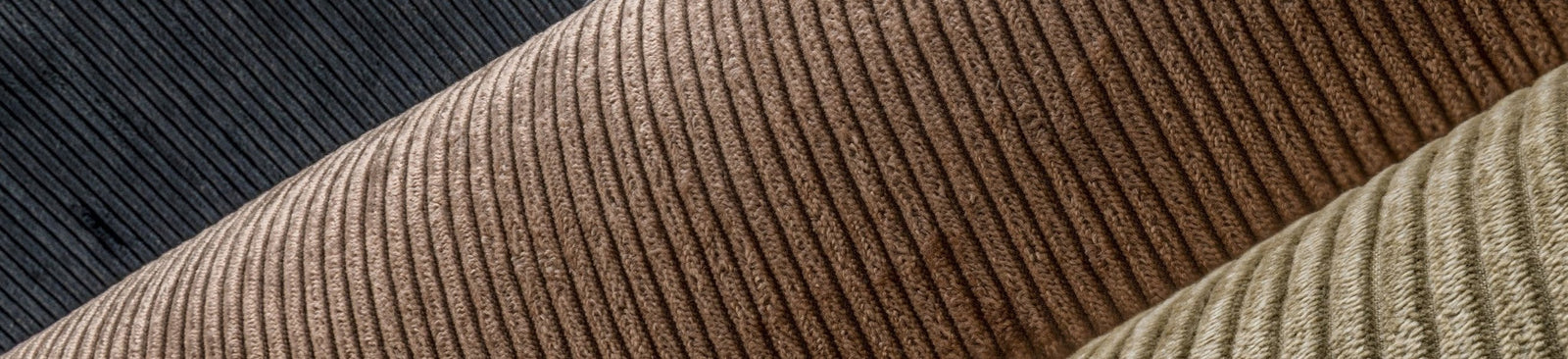
Within this trend we increasingly see materials that aren't only beautiful to look at, but also add an extra dimension to an interior. Think of rich textile wall coverings, natural grasscloths, refined reliefs, suede-like finishes and mineral structures. Through the play of light and shadow, each structure comes to life in a different way.
It's precisely this variety that makes this trend so versatile. Where subtle linen wallpaper radiates calm and softness, a pronounced relief creates more depth and an architectural character. There isn't therefore one material that fits perfectly within Tactile Walls; it's about the way texture enriches and allows the space to be experienced.

Materials that pair perfectly with Tactile Walls
- Textile wall coverings – warm, soft and elegant.
- Grasscloth – natural, lively and organic.
- Relief wallpaper – plays with light and creates depth.
- Mineral structures – calm, refined and architectural.
- Suede and velvet-like finishes – luxurious and inviting to touch.
- Acoustic wall coverings – combine rich texture with extra living comfort.
Selected Insight: Texture doesn't need to be striking to make an impression. It's precisely the subtle differences that make an interior interesting.
How do you use Tactile Walls without it feeling busy?
That's perhaps the biggest misconception about this trend. Many people think that a wall with relief, textile or a pronounced structure automatically brings more unrest. In practice, often the exact opposite happens.
Texture doesn't add extra colour, but it does add more nuance. A calm base is maintained, while the surface gains more depth. This creates an interior that looks richer without becoming visually fuller.
That's precisely why Tactile Walls works so well in calm, natural interiors. A subtle wall structure can give a space more character without needing extra accessories or striking colours. The wall becomes an eye-catcher, but at the same time remains part of the whole.
Where does Tactile Walls come into its own best?
The living room
A wall behind the sofa or a large, empty wall gains more depth and warmth. Especially when daylight brushes along the structure, the appearance changes throughout the day.
The dining room
Rich wall coverings create an intimate atmosphere around the dining table. Texture gives the space more experience without distracting from the interior.
The bedroom
Soft materials behind the headboard reinforce the feeling of calm and comfort. Subtle structures create a luxurious appearance without looking busy.
The home office
A tactile wall adds warmth to a functional space and forms a calm background during online meetings. If you choose acoustic wall coverings, you also benefit from extra living comfort.
Less is more
The power of Tactile Walls isn't in more texture, but precisely in the right balance. One carefully chosen accent wall often has more impact than a space where every wall demands attention. By combining texture with calm colours, natural materials and soft fabrics, you create an interior that invites you to keep looking longer.

Are Tactile Walls here to stay or just a hype?
Some interior trends disappear as quickly as they emerge. Tactile Walls is different. The trend connects with a broader development where quality, natural materials and experience are becoming increasingly important. We're not just making our homes more beautiful, but also more consciously.
That's precisely why we see that texture is getting a lasting role within interior design. Not because a wall needs to be striking, but because rich materials give a space more warmth, depth and personality. As a result, an interior not only feels more stylish, but also more pleasant to live in.
The beautiful thing is that texture often does more than just enhance the appearance. Depending on the material choice, wall coverings can also contribute to living comfort. Think for example of high-quality textile wall coverings or acoustic wall coverings, which besides a rich appearance also help make a space feel softer and calmer.
At Selected Wallpapers we therefore see Tactile Walls not as a temporary interior trend, but as a new way of looking at wall coverings. It's not only the colour or the design that determines the atmosphere of a space, but especially also the material, the structure and the way a wall catches the light.
Perhaps that's the most beautiful development of all. Walls no longer need to be just a background. They're allowed to add character, tell a story and allow a space to be experienced.
Selected Insight: You don't just see the most beautiful interiors. You experience them with all your senses.
Selected Wallpapers
Shop the look