Paper wallpaper
- String No8
- Point 2003
- Clunch
- Charleston Gray
- Mouse's Back
- 14+
- Reds & Charcoal on Parchment
- Viridian & Petrol on Charcoal
- Neutrals on Pale Sand
- Coral & Olive on Cream
- Blush, Ballet Slipper, Eau Du Nil on White
- 1+
- Blush
- Spa Blue
- Off White
- Beige
- Sea Grey
- 2+
- Apple Green
- Cognac
- White
- Butter
- Light Wheat
- 8+
- Tan
- White
- Beige
- Clay
- Grey Fog
- 5+
- Brick/Olive
- Bullrush/Russet
- Bayleaf/Manilla
- Privet/Slate
- Fig/Sisal
- 14+
- Crimson/Slate
- Indigo/Mineral
- Chocolate/Slate
- Slate/Vellum
- Wine
- 5+
- Red/Gold
- Cobalt/Thyme
- Ink/Woad
- Silver/Ecru
- Ebony/Poppy
- Beige/Red
- Flaxon
- Fennel
- Slate
- Canvas
- 2+
- Madder/Teal
- Powder Blue/Blush
- Sage/Forest
What paper wallpaper does to the light in a room
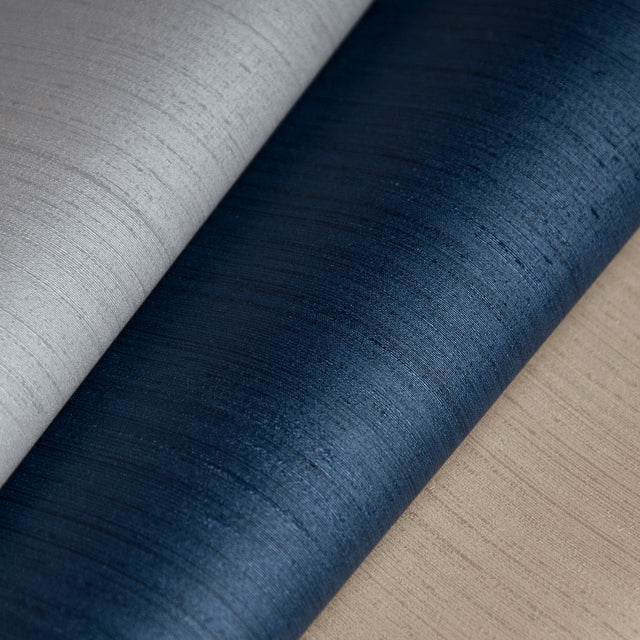
Paper wallpaper is printed straight onto a paper backing with no plastic film over the top, and that one detail decides how it behaves on a wall. The surface is properly matte, so daylight settles into it instead of bouncing back. Colors read deeper. A dark ink looks like pigment rather than like a coating. In a north-facing den, or an entryway that only ever gets borrowed light, that softness is the whole reason to choose it.
How paper wallpaper feels up close
Run your hand across it and you feel paper rather than film: dry, lightly grained, thin enough that the flatness of the wall behind it starts to matter. Across the 270 designs here you will find hand-drawn florals from Liberty next to quieter archive prints from Cole & Son, and the material treats both the same way. No sheen, and no bright spot where a table lamp hits.
Rooms where paper wallpaper earns its place
The powder room is the obvious candidate. It is small, seen from two feet away, and rarely splashed enough to need a wipeable surface. Dining rooms and formal living rooms work for the same reason: you look at those walls, you do not scrub them. Bedrooms as well. We would point you elsewhere for the mudroom, a kids' bathroom, or a hallway that takes a daily beating from strollers and dogs, where a non-woven wallpaper stands up to the traffic far better.
Paste the paper, not the wall
This is what installers in the States ask about first. Paste goes onto the back of the strip, and the strip then sits folded for a few minutes so the fibers can swell, which the trade calls booking. Skip that and the seams will open on you weeks later. Hang it on primed, sanded drywall, keep paste off the face, and work with a soft brush instead of a hard smoother. Any experienced paperhanger knows the method; it is simply less common here than paste-the-wall goods.
Roll formats and shipping to the United States
European rolls run narrower than the American standard, commonly 20.9 in (53 cm) wide by 33 ft (10.05 m) long, though the exact format differs per brand and per collection. Every product page lists its own roll size, the 1838 Wallcoverings designs included, so read it there before you count rolls. Orders ship from the Netherlands with duties and taxes included in the price shown.
Patterns that suit a paper-backed surface
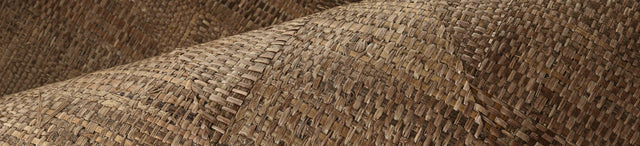
Fine line work gains from a matte ground. Damask wallpaper is the clearest example, since the pattern is often a tone-on-tone shift that a glossy finish would flatten out. For texture you can feel rather than only see, look at paperweave wallpaper, in which strands of paper are woven into the surface itself; the grass-woven version of the same idea sits in our grasscloth wallpaper collection. If you are screening materials for a nursery, our PVC-free wallpaper selection gathers the plastic-free options in one place.
-
International shipping
Payment in own currency
-
No hidden costs
Duties & Taxes included in checkout.
-
Sample Service
Up to $35 cashback on your samples
-
Personal advice
Help with selection and ordering.
Frequently asked questions
What exactly is wallpaper?
What is the difference between paper wallpaper and non-woven wallpaper?
How do you apply wallpaper?
Discover other materials
Each material gives the wall its own character.