BESTSELLERS
 NEW ARRIVALS
 SALE
SALE


 Kleuren


 Materialen


 Merken


 Thema's


 BESTSELLERS
 NEW ARRIVALS


 BESTSELLERS
 NEW ARRIVALS
 DIRECTLY AVAILABLE
 SALE
SALE


 BESTSELLERS
 NEW ARRIVALS


 Little Greene verf
 Colours of England verfcollectie
 Colour Scales verfcollectie
 Sweet Treats verfcollectie
 RAL kleuren verf


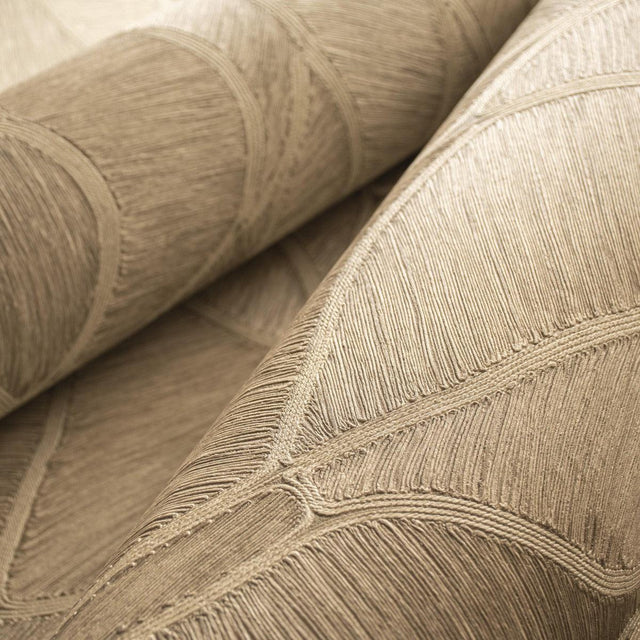
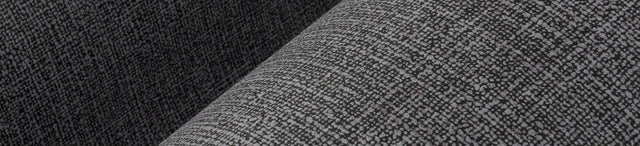
Textile wallpaper is real cloth in linen, silk, wool, suede, cotton or viscose, bonded to a backing that is usually non-woven. American rooms are built from hard flat planes: painted drywall, an open stair, a wall of glass. Light bounces off them and sound runs along them. A woven wall takes the edge off both, and the color reads deeper once the lamps come on.
What textile wallpaper does in an open-plan house
A great room running from range to sofa has little in it to slow sound down, and a 10 ft (3.05 m) ceiling gives the echo room to travel. Cloth on one long wall softens that without deadening the room. In an entryway the gain is visual instead: the wall stops reading as flat paint. When damping is the whole point, acoustic wallcovering is built around that job.
Choosing a fiber: linen, silk, suede or wool
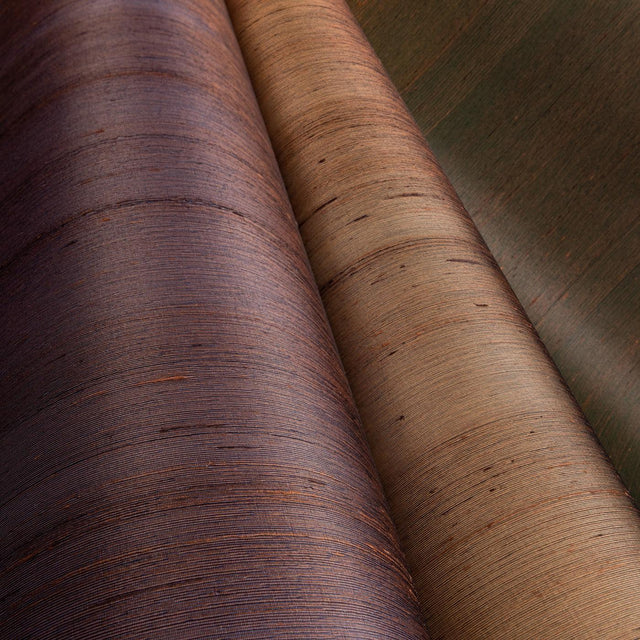
Linen wallpaper has an open, uneven grain that stays quiet behind a sofa. Silk wallpaper holds a low sheen that shifts with the light in a dining room. Suede wallcovering is darker and soft to the hand, at its best behind a headboard. Wool and felt are the warmest of the group and swallow the most sound. For a natural look woven from plant fiber rather than cloth, there is grasscloth wallpaper.
Textile wallpaper roll widths and ordering from Europe
Widths run from 27.6 to 55.1 in (70 to 140 cm), so a wall takes fewer drops and fewer seams than a narrow roll would. Measure the wall, divide by the roll width, and you have the number of drops. Import duties and taxes are settled before the order leaves Europe, so nothing is owed at the door.
Rooms where fabric wallpaper works, and where it does not
Bedrooms, dens and dining rooms are the natural address, and a powder room qualifies too: no shower, no steam. Full baths, laundry rooms and the wall behind a range do not: cloth marks faster than vinyl, and cleaning it takes more care. Eye level along a busy hallway is worth avoiding for the same reason. Hotels and restaurants take that trade anyway: the sound gain outweighs the upkeep.
Two European names to know
The name of Dutch Walltextile Company says where its focus sits: wall textile as a discipline. Italian house Dedar runs from quiet linen to weaves loud enough to carry a room alone.
Hanging textile wallcovering on drywall
Order a sample first: a weave has to be judged in daylight on the wall it is meant for. A non-woven backing hangs dry: paste goes onto the drywall and the length is set against it, which is kinder on a ladder. Butt the seams rather than lapping them; cloth shows an overlap at once. Precision counts more than with printed paper, so a two-story stairwell is often work for an installer.
-
International shipping
Payment in own currency
-
No hidden costs
Duties & Taxes included in checkout.
-
Sample Service
Costs refunded up to max $35
-
Personal advice
Help with selection and ordering.
Frequently asked questions
What exactly is textile wallpaper?
Which materials are available for textile wallpaper?
Is textile wallpaper difficult to apply?
Is textile wallpaper suitable for bathrooms or kitchens?
How do I maintain textile wallpaper?
Discover other materials
Each material gives the wall its own character.