

Sisal wallpaper
- Steel
- Beige
- Grey
- Sage
- Green
- 8+
- Ivoire
- Beige
- Sable
- Blond
- Tabac
- Craie
- Dune
- Natural
- Argile
- Canard
- 4+
- Ivoire
- Natural
- Blond
- Epicea
- Argent
- Royal Blue
Sisal wallpaper: the European name for grasscloth
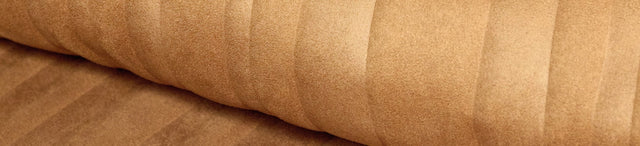
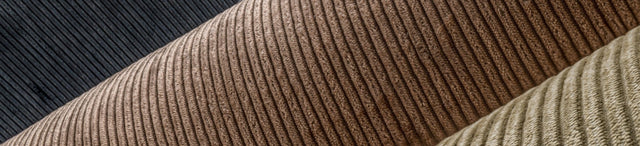
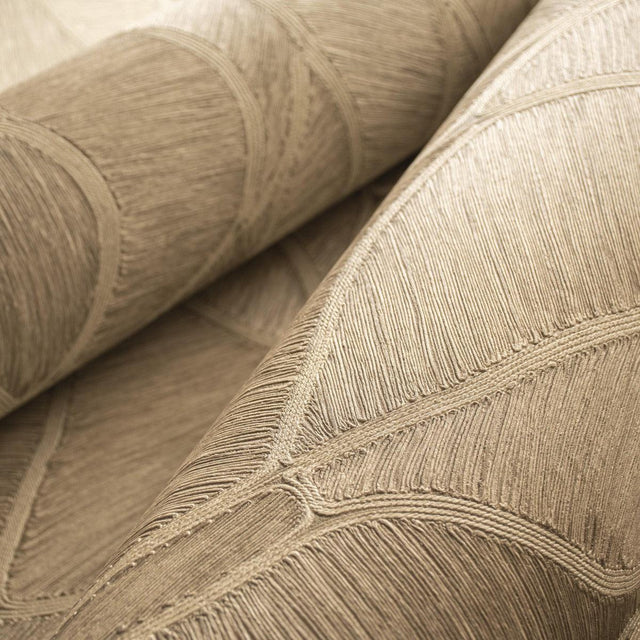
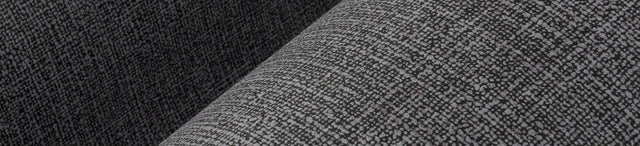
Sisal wallpaper is what American showrooms call grasscloth: a woven wallcovering made from the fibers of the Agave sisalana, laminated onto a backing. It stays visibly natural: threads you can pick out by eye, color that shifts from length to length, a matte sheen that turns with the daylight. The weave is the pattern, so the palette stays quiet: sand, taupe, clay, wood.
European rolls on American walls
These designs arrive on European rolls: 20.9 in (53 cm) wide and about 33 ft (10 m) long, which covers roughly what is sold here as a double roll. On the tall walls American houses often have, a two-story entry or a chimney breast, the narrow width helps: seams become part of the texture. Check the format per design, and order a wall's worth at once, since no two lengths are quite the same.
Where the range suits an American home
An entryway is the easiest place to start: a hall of flat drywall and painted doors changes character once one wall has texture. A powder room without a shower stays dry enough for a natural weave; a family bathroom does not, since sisal cannot be cleaned with water. Use vinyl wallpaper there instead, or a printed woven look if you want texture without the natural fiber. In an open plan, one wrapped wall marks off the seating area and softens the echo of hard floors.
Hanging sisal wallpaper on drywall
Start with a flat wall, dry and dust-free; on new drywall, tape and sand the seams and let the compound cure. Use the adhesive specified for natural wallcoverings, cut with a fresh blade, and keep the weave running one way. Cleaning is dry work: a soft brush, no damp cloth.
The European houses behind our selection
Casamance gives the material its French reading: subtle weaves, serene palettes. Élitis has the more artistic hand, with textures that look handworked. CMO Paris finishes natural fibers to couture standards; Mark Alexander stays minimal, in restrained tones. We carry these houses exclusively; related natural weaves sit alongside them in our raffia wallpaper and grasscloth wallpaper.
Ordering the collection from Europe
Weave and color are hard to judge on a screen, so order a sample and leave it on the wall it is meant for; look again after dark, when the sheen changes. We ship to the US with duties and taxes settled up front, so nothing is collected at your door.
-
International shipping
Payment in own currency
-
No hidden costs
Duties & Taxes included in checkout.
-
Sample Service
Up to $35 cashback on your samples
-
Personal advice
Help with selection and ordering.
Frequently asked questions
What is sisal wallpaper?
What are the biggest advantages of sisal wallpaper?
What are the disadvantages of sisal wallpaper?
What is the average cost of sisal wallpaper?
Prices vary by material, brand, order unit and production method. Current prices are shown on each product page in USD.
Discover other materials
Each material gives the wall its own character.