Inspiration
What is grasscloth?
Grasscloth is wall covering made of woven plant fiber on a backing: sisal, jute, abaca, raffia, hemp, or seagrass. Here you'll read what it's made of, why each strip looks different, where it works and where it doesn't, and which brands have specialized in it.
What is grasscloth?
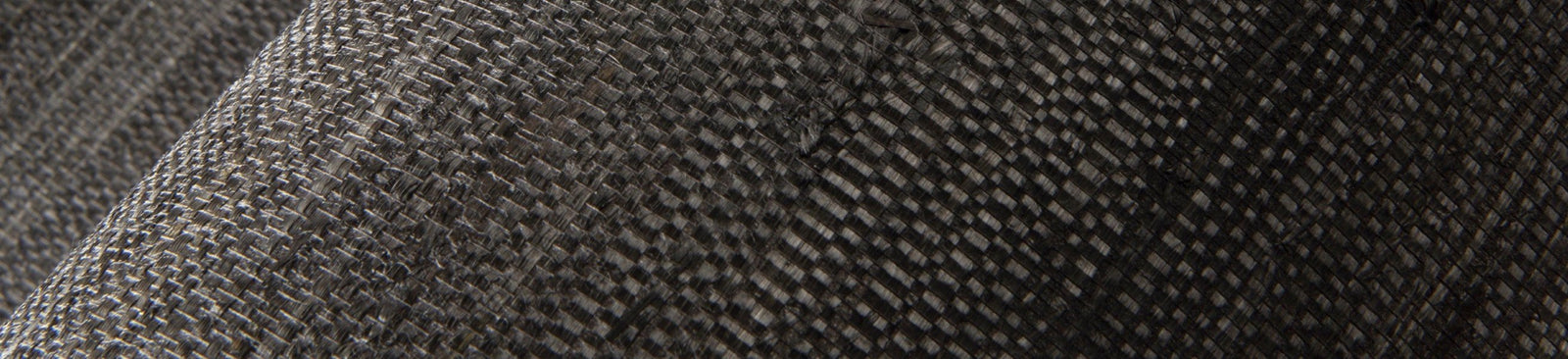
Grasscloth consists of two layers. On top is a weave of plant fiber, often hand-woven: the fibers run horizontally and are held together by a thin binding thread. Underneath is a backing of paper or non-woven fabric onto which the weave is laminated, so you can install it like wallpaper. Mark Alexander even named an entire collection after it: Grasscloth II.
There's usually no printed pattern. The weave itself forms the design: thicker and thinner threads, small color variations, an occasional knot. From a distance the wall looks calm, up close you see the handwork.

Which fibers is grasscloth made from?
Grasscloth is a collective term. Real grass is only part of the story: most weaves come from leaves, stems, or bark of other plants. Each fiber produces its own thread and its own look on the wall.
Sisal
Sisal comes from the leaves of the agave sisalana. The thread is strong and regular, which makes sisal look sleek and calm. Natural Sisal by Greenland has the largest color range of that brand. CMO Paris makes sisal in many variations, from the solid, horizontally pleated Sisal Plissé to the multicolored Sisal Changeant. The Sisal by Mark Alexander is hand-woven, laminated, and then dyed. All designs are listed under sisal wallpaper.
Jute
Jute is coarser and warmer in color than sisal. The thread is thicker and less regular, giving a more rustic look. Jute Natural Palette by Greenland and Burlap by Mark Alexander are both hand-woven jute. CMO Paris combines jute and raffia in the graphic Damier. Find more under jute wallpaper.
Abaca
Abaca is extracted from a banana-like plant from the Philippines and is also called Manila hemp. The fiber is long and smooth, which makes abaca weave look finer and more uniform than jute. Abaca Dense by CMO Paris is hand-woven abaca; Intaglio by Mark Alexander has a silky sheen, and in Grid an open weave of coarse abaca strands lies on colored paper. Greenland has Abaca Natural Palette. See also abaca wallpaper.

Raffia
Raffia comes from the leaves of the raffia palm and is processed as a flat strip. You can see these strips as lines on the wall from a distance. The Raffia by Mark Alexander is hand-woven and then color-washed; Raphia Tresse by CMO Paris is braided raffia. Raffia Natural Palette by Greenland has a coarse texture. All designs are listed under raffia wallpaper.
Hemp
Hemp comes from the stem of the hemp plant. The fiber is long and strong and can be spun into an even yarn: softer in feel than sisal, finer than jute. Natural Hemp by Greenland has irregular strands, thicker and thinner mixed together. Chanvre du Nepal by CMO Paris is subtly woven hemp full of color nuances. See also hemp wallpaper.
Seagrass, bamboo, and other fibers
Seagrass, bamboo, water lily, and rattan are also woven into wallpaper. Mark Alexander uses seagrass in Seagrass and Beachgrass, and combines raffia with banana bark in Banana Bark. CMO Paris weaves bamboo in among others Bambou Canvas and Bambou Grand Chevron, and weaves water lily in wide strips in Nenuphare.

Paper weave
Paper weave resembles grasscloth, but the thread is made of paper: flat strips or twisted paper yarn. The line is therefore more rigid and the color more uniform than with grass. Natural Paper Weave by Greenland is a fine basket weave of flat strips. At Mark Alexander, paper yarns are hand-woven in Papier, and Washi is made from Japanese paper that has been hand-colored. Because it has the same natural feel, paper weave is also listed under grasscloth wallpaper in our shop.
Why does each strip look different?
A natural fiber is never identical twice. Threads vary in thickness and color, and each roll is woven separately. When hung side by side, you'll therefore see small color differences between the strips, and the seams remain visible. Manufacturers call this a panel effect: it's part of the material and not a defect. If you want as little difference as possible, order the entire wall at once so all rolls come from the same production run, and hang the strips in the order you cut them from the roll.
How is grasscloth sold?
Grasscloth is sold per roll or per meter, and the width varies by brand. Therefore, check the roll width and length for each design before you start calculating. Greenland sells its natural weaves per meter, in a strip width of just over 90 centimeters (about 36 inches). You then order exactly the length your wall needs instead of whole rolls. Use the wallpaper calculator to figure out how much you need. If you're unsure about the color, order a sample first: in a photo the difference between threads disappears.
Where does grasscloth work and where doesn't it?
Grasscloth belongs on a wall that stays dry: the living room, bedroom, office, hallway, or a powder room without a shower. One wall behind the sofa or bed is often enough; the texture adds depth to a room with smooth walls. In a bathroom, behind the kitchen counter, or in a children's room where frequent cleaning is needed, it doesn't work: water and cleaning products leave stains. Natural fiber can also discolor in direct sunlight, so watch out for sunny walls without curtains. Curious how a design looks in your own room? Try it with the Room Visualizer.
How do you install grasscloth and how do you maintain it?
You install grasscloth on a flat, dry, and smooth surface, with an adhesive for natural wall coverings. Keep the front clean: adhesive or water on the fiber leaves a stain you can't remove. Cut with a sharp knife and change the blade often, otherwise the fibers will fray. If you prefer not to do it yourself, have it done by a professional wallpaper installer; those who want to tackle it themselves will find the steps at DIY wallpapering.
Maintenance is simple. Remove dust with a soft brush or the brush head of the vacuum cleaner. Don't use water or cleaning products on the front.
Which brands specialize in grasscloth?
Greenland
Greenland sells its natural weaves per meter, with dozens of colors per design: Natural Sisal, Natural Hemp, abaca, jute, raffia and paper weave, and also cork and wood veneer. This allows you to choose a color very precisely and order no more than the wall requires.
CMO Paris
At CMO Paris the collection revolves around natural fiber and wood. Sisal comes in many variations, from solid to pleated and geometric, alongside hand-woven abaca, braided raffia and bamboo, papyrus, hemp, water lily, and rattan. Many designs have their own weave pattern, like the chevrons of Bambou Grand Chevron or the panels of Sisal Eclat.
Mark Alexander
Mark Alexander works extensively by hand: sisal, raffia, jute, and abaca are hand-woven, and there are also weaves of paper yarn and Japanese paper. The Grasscloth II collection includes among others Arrowroot.

The entire range, including from other brands, is listed under grasscloth wallpaper.
Shop the look